
Compression socks are supposed to feel snug — not stiff, not restrictive, and definitely not uncomfortable. If you’ve ever put on a pair and immediately wondered, “Is this too tight?” — you’re not alone. It’s one of the first things people notice when trying compression socks for the first time. The goal isn’t pressure for the sake of pressure. It’s balanced support that feels steady, not overwhelming.
A good pair shouldn’t make you constantly aware that you’re wearing them. If they start to feel painful, cause tingling, or make you want to take them off after an hour, they’re probably too tight. On the flip side, if they slide down or feel no different from regular socks, they may not be doing much at all. The sweet spot is somewhere in between — supportive enough to feel stable, but comfortable enough to forget about.
If you’re exploring compression socks and want a complete overview of how sizing, mmHg levels, fit, and daily use all connect, you can start with our Compression Socks Guide before diving deeper into this specific topic.
What Compression Socks Should Feel Like When They Fit Correctly
When compression socks fit properly, they should feel gently firm around the ankle and gradually less tight as they move up the calf. This design is known as graduated compression — meaning pressure is strongest at the ankle and gradually decreases toward the calf.
.
The sensation should feel secure, not squeezing. You should be able to walk, sit, bend your knees, and move normally without constantly noticing your socks. After a few minutes, well-fitted compression socks usually fade into the background.
There should be no sharp pressure behind the knee, no tight elastic digging into the skin, and no discomfort around the toes.
Signs Compression Socks May Be Too Tight
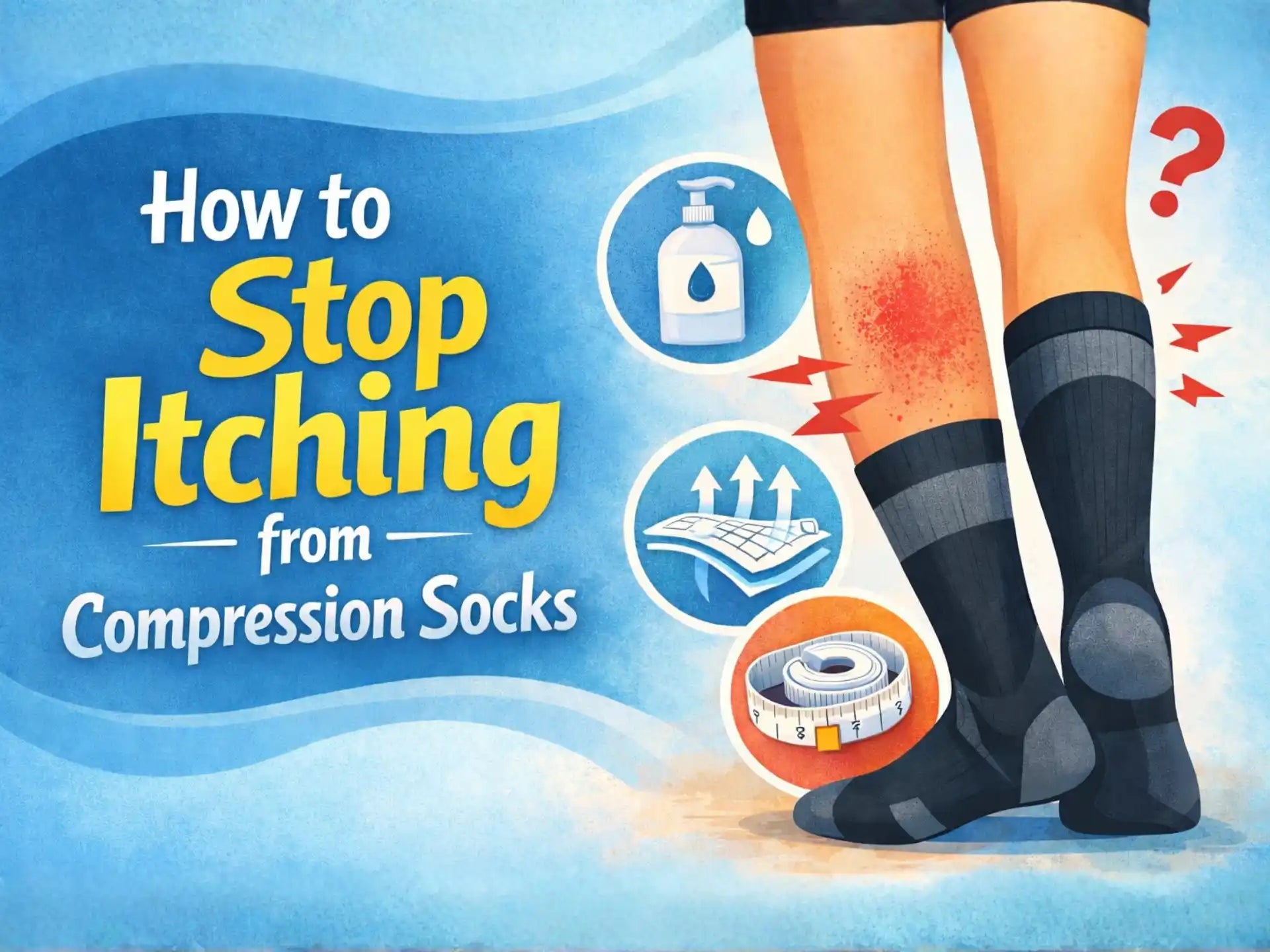
Compression socks should never cause pain. If you notice numbness, tingling, throbbing pressure, or discomfort that increases as the day goes on, the socks may be too tight or the compression level may be higher than necessary.
Deep marks that remain long after removing the socks can also be a sign that sizing or compression strength is not ideal. While light impressions are normal, painful indentation is not.
If you feel immediate relief the moment you take them off, that’s usually a sign the compression level was stronger than your body needed for daily wear.
Signs Compression Socks May Be Too Loose
On the other end of the spectrum, compression socks that are too loose often slide down, bunch at the ankle, or feel no different from regular socks. If they require constant adjustment, they are likely not fitted correctly.
Loose compression socks are rarely harmful, but they may not deliver the supportive feel people expect from light compression.
How Tight Is Appropriate for Everyday Wear?
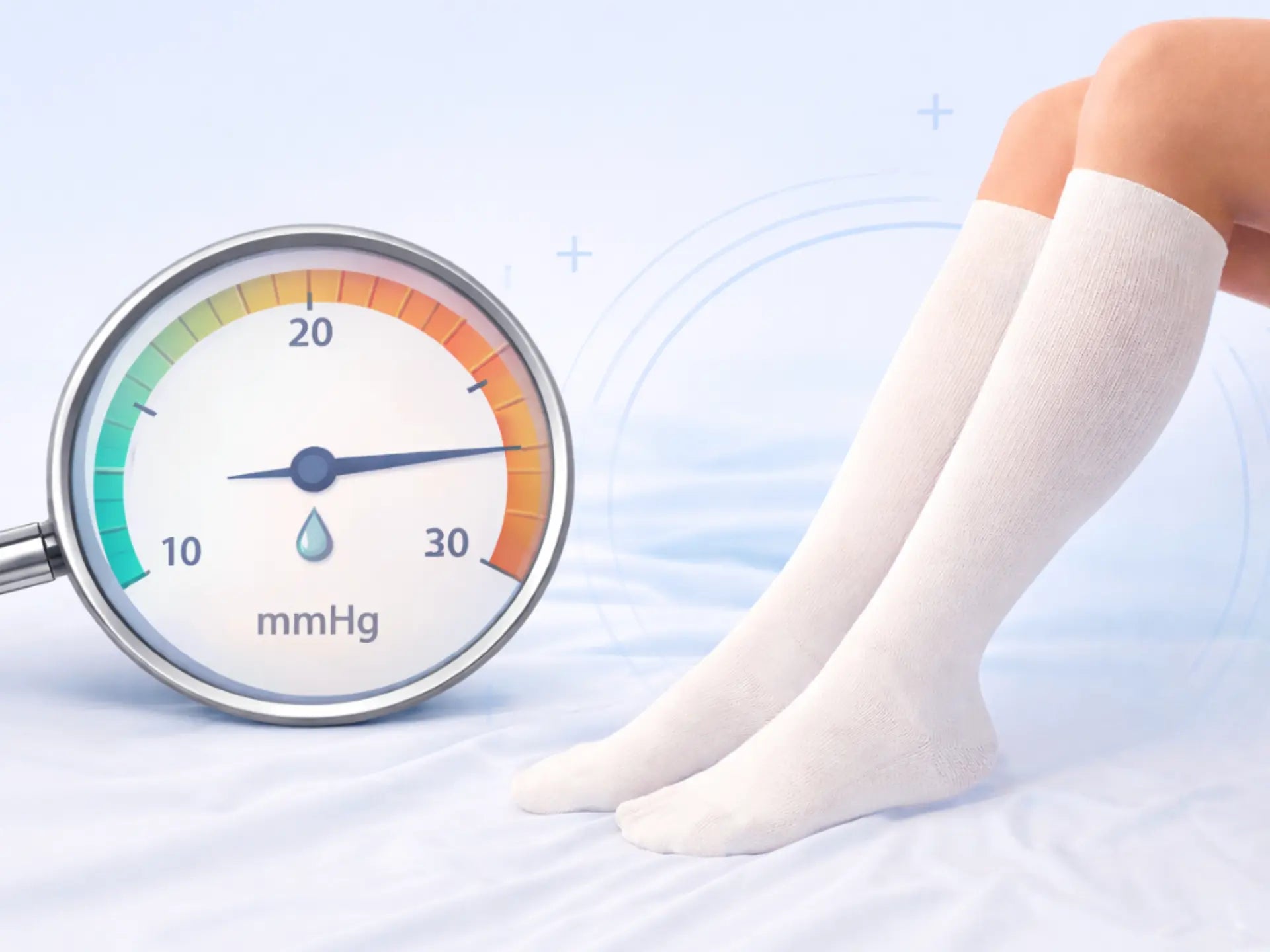
For daily routines, desk work, long standing hours, or travel, most people prefer light compression in the 10–15 mmHg range. This level is designed for comfort and extended wear rather than medical treatment.
Light compression should feel stable and flexible. You should be able to put the socks on without excessive struggle, and they should not feel restrictive when bending your ankles or knees.
If you're unsure what compression level means, you can read more about what mmHg means in compression socks and how pressure levels differ.
How Tightness Often Comes Down to Sizing
Many tightness issues are actually sizing issues. Compression socks rely on accurate ankle and calf measurements to distribute pressure evenly. If the size is too small, even light compression can feel restrictive. If the size is too large, the graduated compression effect weakens.
General care guidance for compression stock, such as tips shared by Mayo Clinic, often emphasizes proper fit and gradual pressure distribution rather than excessive tightness.
Measuring your ankle and calf before buying compression socks significantly increases the chance of getting the right fit.
Quick Fit Comparison Guide
| How It Feels | What It Likely Means | What To Do |
|---|---|---|
| Snug at ankle, comfortable all day | Correct compression & size | Keep wearing normally |
| Numbness, tingling, deep pressure | Too tight or too strong compression | Try lower mmHg or larger size |
| Slides down or bunches | Too loose | Check sizing measurements |
| Leaves painful marks | Incorrect fit | Re-measure ankle & calf |
How Compression Socks Should Feel Throughout the Day
Well-fitted compression socks should feel consistent from morning to evening. They should not become progressively uncomfortable. You should not feel pressure building or circulation changes that make you uneasy.
If you find yourself constantly adjusting them or counting down the hours until you can take them off, the fit likely needs reconsideration.
Final Thoughts on Compression Sock Tightness
Compression socks are designed to feel snug — not tight. The right pair should feel supportive, stay in place, and allow natural movement.
When chosen correctly, compression socks become part of your routine rather than something you tolerate. Comfort is always the best indicator that you’ve chosen the right fit.
Frequently Asked Questions
Are compression socks supposed to feel tight?
No. They should feel snug and supportive, but never painful or restrictive.
How tight is too tight for compression socks?
If you experience numbness, tingling, deep discomfort, or persistent marks, they are likely too tight.
Should compression socks leave marks?
Light impressions can be normal. Painful or long-lasting marks are not.
Do tighter compression socks work better?
Not for everyday wear. Proper fit and appropriate compression level matter more than maximum tightness.
Can compression socks feel tight at first?
A short adjustment period is normal. Ongoing discomfort is not.